
What Is Subfloor Ventilation & Why It Matters?
Subfloor ventilation is one of those building features most people never think about – until problems start showing up. Damp smells, mould, uneven floors, and even rising energy bills can often be traced back to poor airflow beneath a building. Understanding what subfloor ventilation is and why it matters can help protect both your home and your health.
What Is Subfloor Ventilation?
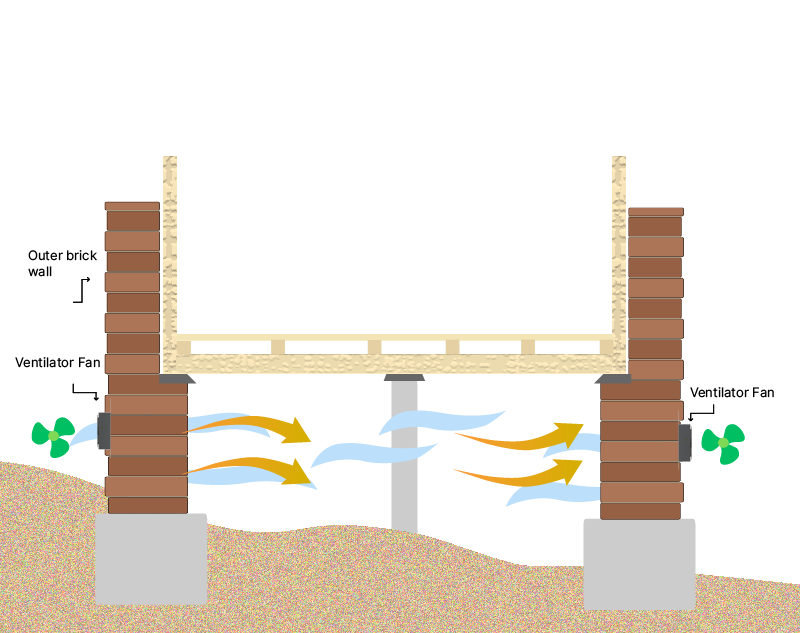
Subfloor ventilation refers to the movement of air in the space between the ground and the floor of a building. This space – commonly called the subfloor or crawl space – is found in homes built on raised foundations.
The purpose of subfloor ventilation is simple:
to remove excess moisture and stagnant air and replace it with fresh airflow.
Ventilation can be achieved through:
- Passive vents placed around the perimeter of the building
- Mechanical systems such as subfloor fans
- Integrated ventilation systems connected to the home’s airflow design
Why Subfloor Ventilation Is Important
- Controls Moisture and Dampness
Moisture can enter the subfloor from the ground, rainwater runoff, or humid outdoor air. Without proper ventilation, this moisture becomes trapped, leading to persistent dampness. Effective subfloor ventilation helps dry out the space and prevent long-term moisture buildup.
- Prevents Mould and Mildew Growth
Dark, damp, and poorly ventilated spaces are ideal environments for mould and mildew. These fungi can spread into living areas through floor gaps and air movement, affecting indoor air quality and potentially causing respiratory issues.
- Protects Structural Integrity
Excess moisture can damage timber floor joists, beams, and supports over time. Rot, warping, and corrosion of metal fixtures can compromise the structural strength of a building. Proper ventilation helps extend the lifespan of these materials.
- Improves Indoor Air Quality
Air from the subfloor does not stay confined there. It can rise into the living space, carrying musty odours, allergens, and mould spores. Ventilating the subfloor reduces the chances of contaminated air entering your home.
- Reduces Energy and Comfort Issues
A damp subfloor can make floors feel cold in winter and contribute to higher heating costs. By keeping the subfloor dry and well-ventilated, insulation performs better and indoor temperatures become easier to maintain.
Signs of Poor Subfloor Ventilation
Some common warning signs include:
- Musty or earthy smells inside the home
- Warped or bouncy floors
- Visible mould on walls or floorboards
- Persistent condensation or damp patches
- Increased allergy or asthma symptoms
If you notice any of these issues, subfloor ventilation may be part of the solution.
Passive vs Mechanical Subfloor Ventilation
- Passive ventilation relies on natural airflow through vents and is most effective in dry, breezy conditions.
- Mechanical ventilation uses fans to actively extract moist air and is often more reliable, especially in humid climates or problem areas.
Why It Matters Long-Term
Subfloor ventilation isn’t just about comfort; it’s about protecting your investment. By managing moisture and airflow beneath your home, you reduce the risk of structural damage, improve indoor air quality, and create a healthier living environment for years to come.